I Feel Fine, So Why Would I Get Screened for Cancer?
If you feel well, cancer screening probably isn’t at the top of your to-do list.
And that’s understandable. When nothing hurts, nothing has changed and life is busy, it can be easy to think, I’ll worry about that later.
But that’s actually the point of cancer screening.
Screening is designed to look for signs of cancer, or changes that could lead to cancer, before you have symptoms. Finding some cancers earlier can mean more treatment options and better outcomes.
Australia has national screening programs for several cancers, and there are other cancers where talking to your GP about your individual risk is important.
First, screening and checking symptoms are different things
Cancer screening is for people who don’t have symptoms.
If you’ve noticed something new or unusual, such as a lump, unexplained bleeding, a persistent change in bowel habits, changes to your skin or another symptom that isn’t going away, don’t wait until you’re due for a screening test.
Most changes won’t turn out to be cancer, but it’s still worth having them checked.
Bowel cancer screening
Here’s one many of us are guilty of putting off: the little bowel screening kit that arrives in the mail.
Australia’s National Bowel Cancer Screening Program provides free screening for eligible people aged 45 to 74.
If you’re aged 50 to 74, a free test kit is automatically sent to you every two years. If you’re aged 45 to 49, you can request your first free kit.
The test is completed at home and looks for tiny amounts of blood in your bowel motion that you wouldn’t otherwise be able to see.
It may not be the most glamorous job on your list, but it’s an important one.
Cervical cancer screening
If you have a cervix, are aged 25 to 74 and have ever been sexually active, you’ll generally need a Cervical Screening Test every five years.
The test looks for human papillomavirus (HPV), which causes almost all cervical cancers.
For many people, there’s also the option to collect your own vaginal sample using a swab. Self-collection is just as accurate at detecting HPV as a sample collected by a healthcare professional when tested using a PCR test.
If you’re overdue or aren’t sure when your last test was, your GP can help you work out what you need.
Breast cancer screening
BreastScreen Australia provides free screening mammograms every two years for women aged 40 and over, with women aged 50 to 74 actively invited to participate.
A screening mammogram can detect breast cancers that are too small to see or feel.
Screening doesn’t replace knowing what’s normal for your own breasts, though. If you notice a new lump, changes to the size or shape of a breast, nipple changes, unusual discharge, skin changes or persistent pain, see your doctor rather than waiting for your next mammogram.
What about prostate cancer?
This one is a little different.
There isn’t a national population screening program for prostate cancer in Australia, and having a PSA blood test isn’t automatically recommended for every man.
A PSA test measures the level of prostate-specific antigen in your blood. A higher PSA level can be associated with prostate cancer, but it can also be caused by other conditions. PSA testing also has potential benefits and limitations that are worth understanding before deciding whether to be tested.
Rather than ignoring prostate health altogether, talk to your GP about your individual risk, particularly as you get older or if you have a family history of prostate cancer.
Together, you can discuss whether PSA testing is appropriate for you.
There’s now lung cancer screening too
Australia’s National Lung Cancer Screening Program began in July 2025.
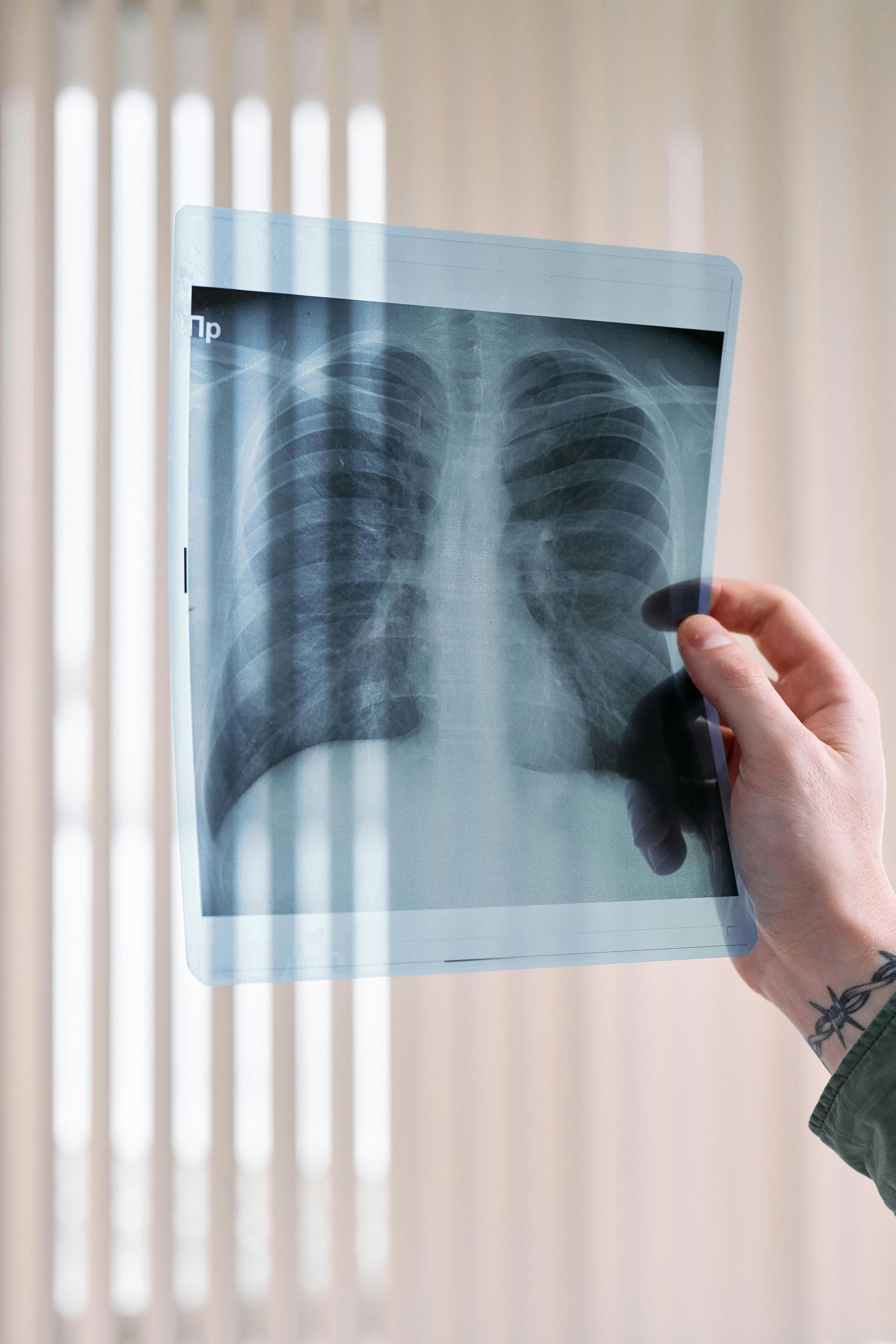
The program offers free low-dose CT scans every two years to eligible people aged 50 to 70 who have no signs or symptoms of lung cancer and have a significant smoking history.
You don’t necessarily need to be a current smoker to be eligible. Some people who have quit smoking within the past 10 years may also qualify.
If you think you might be eligible, speak with your GP. They can assess your smoking history and other eligibility criteria and, where appropriate, refer you for screening.
And what about skin cancer?
In Central Australia, we certainly can’t talk about cancer awareness without talking about our skin.
Unlike bowel, breast and cervical cancer, Australia doesn’t have a national population screening program for skin cancer.
Instead, it’s important to know what your skin normally looks like and pay attention to changes. Keep an eye out for new spots or existing spots that change in size, shape or colour, or anything that looks noticeably different from the rest.
Your individual risk matters too. Things like your skin type, sun exposure, history of sunburn, family history and previous skin cancers can all affect how closely your skin should be monitored.
If you’re concerned about a spot or have a higher risk of skin cancer, talk to your GP about what’s appropriate for you.
Read more about skin cancer checks on Healthdirect
So, what screening are you due for?
There isn’t one cancer screening test that covers everything, and not every test is appropriate for every person.
What you should consider depends on your age, sex, medical and family history, lifestyle and individual risk factors.
And remember, screening is for when you feel well. If you’ve noticed a new or persistent change in your body, don’t wait until your next screening test or invitation to do something about it.
Not sure what you’re due for?
Book an appointment with Bath Street Family Medical and have a chat with your GP about which cancer screening programs or checks are appropriate for you.
Health Matters